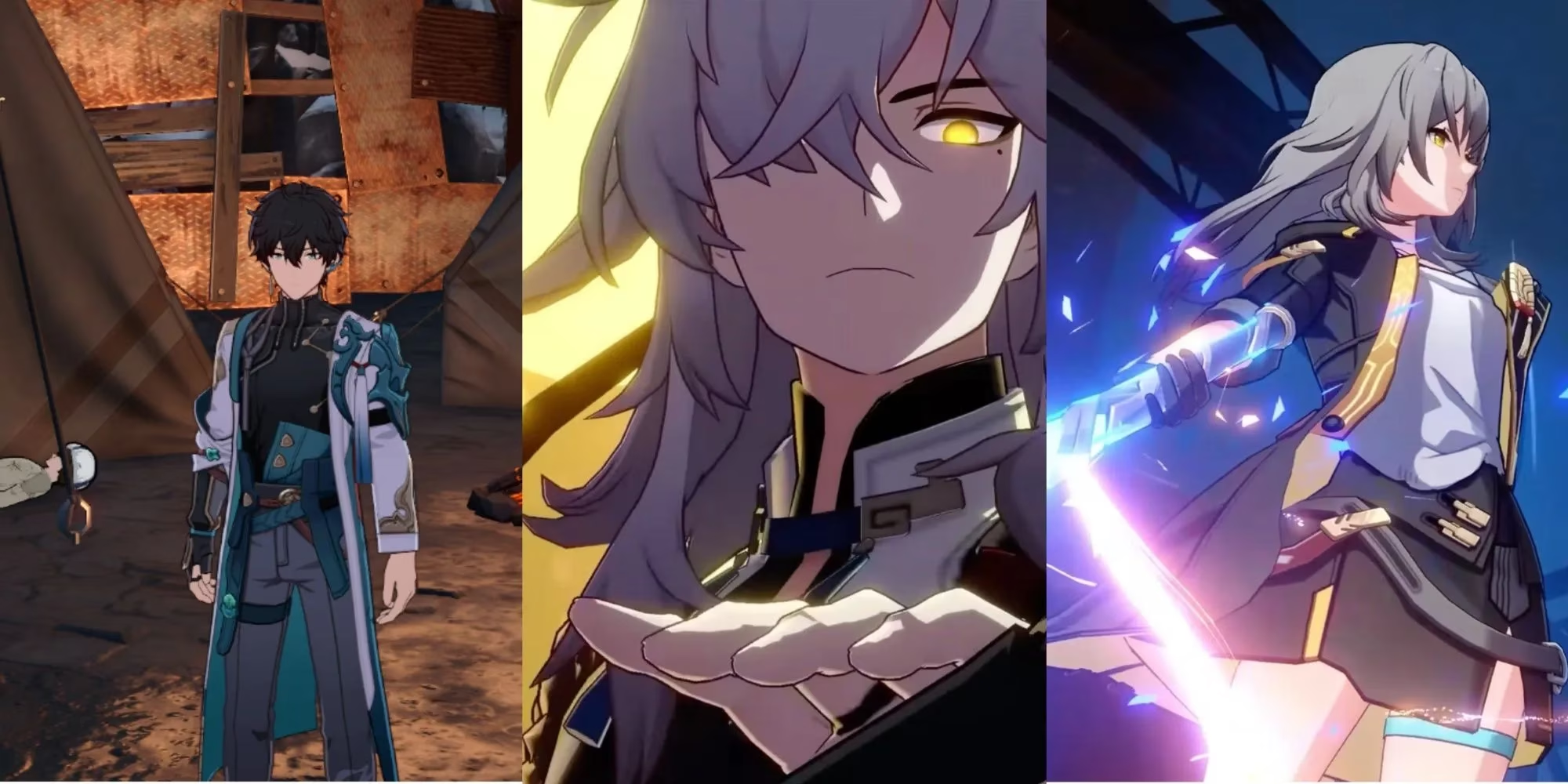
When Honkai: Star Rail arrived, skeptics had reason to doubt that a gacha RPG could deliver genuinely sharp comedy. By 2026, that doubt has aged poorly. Hoyoverse's space-fantasy title has become known for ambitious story arcs, but its comic voice is just as important. The game treats mundane systems—group chats, wanted posters, hotel closets, and even trash cans—as opportunities to roast player habits and genre conventions. The result is a live-service RPG that feels less self-important than its cosmic scale suggests.
A Comedy Built on Small Systems
Honkai: Star Rail does not rely on joke density alone. Its humor works because it is embedded in exploration, side quests, and the Trailblazer's personality. The protagonist has a dry sense of humor and a wild imagination, and the writing frequently lets that personality collide with serious situations. Players are not simply told that the Trailblazer is eccentric; they see it through optional dialogue, environmental gags, and the increasingly exasperated inner voice that comments on questionable decisions.
That approach gives the game a comic identity that has survived beyond its launch window. In 2026, live-service games often chase bigger spectacles and longer content roadmaps. Honkai: Star Rail's comedy remains memorable because it is intimate and reactive. It makes the worlds of Herta Space Station, Belobog, and Jarilo-VI feel inhabited by people who gossip, nap, break rules, and argue about garbage.
The Jokes That Still Land
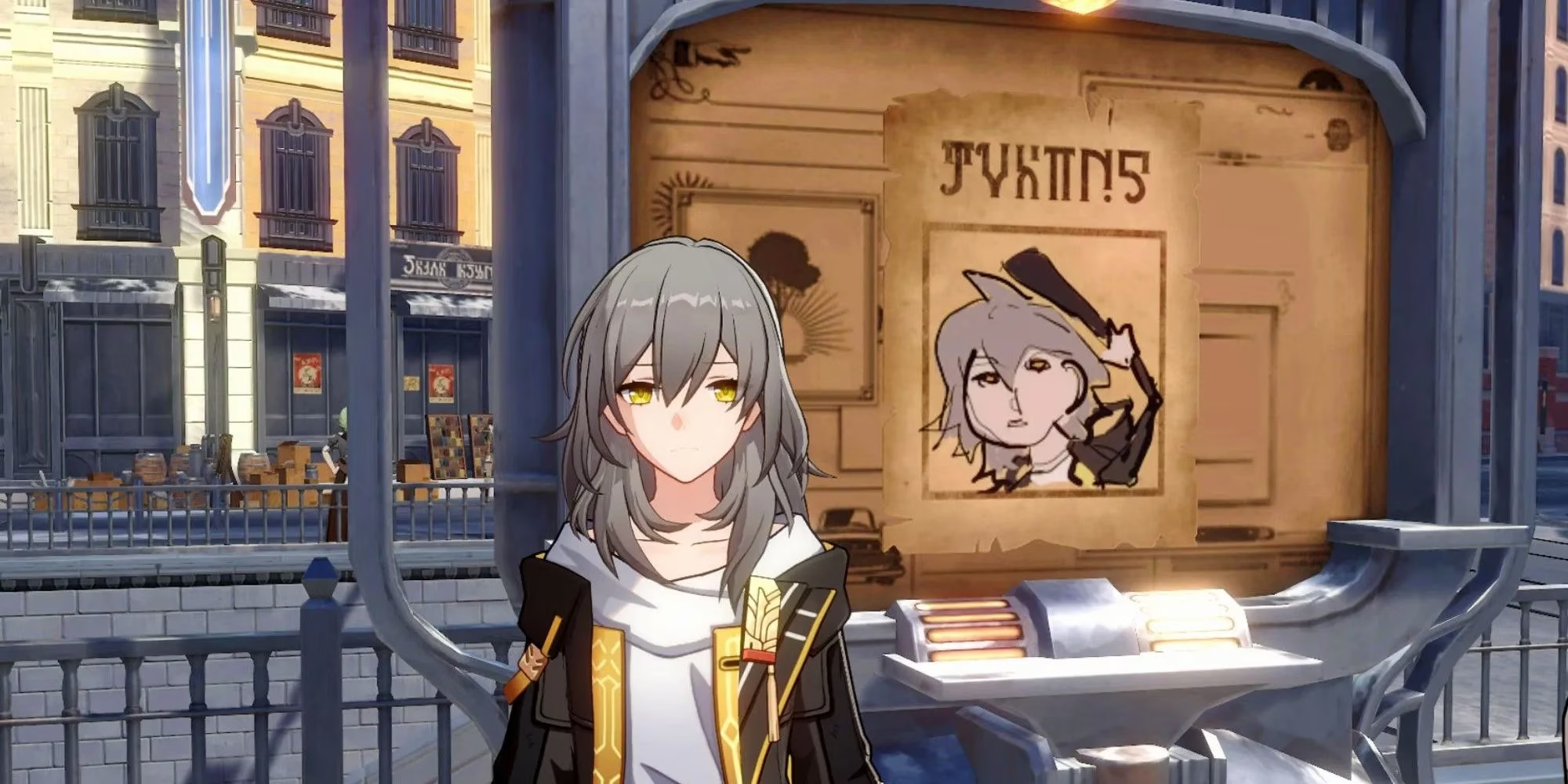
One early standout is Belobog's wanted poster sequence. After the Astral Express crew is marked as criminals for 'serious but vague' crimes, the city's forces distribute flyers with the crew's faces. The premise is straightforward, but the execution is delightfully inept. The portraits are so inaccurate that they resemble caricatures more than wanted photos. The joke works because it undercuts the authority of Belobog's security forces while giving players an absurd photo opportunity.
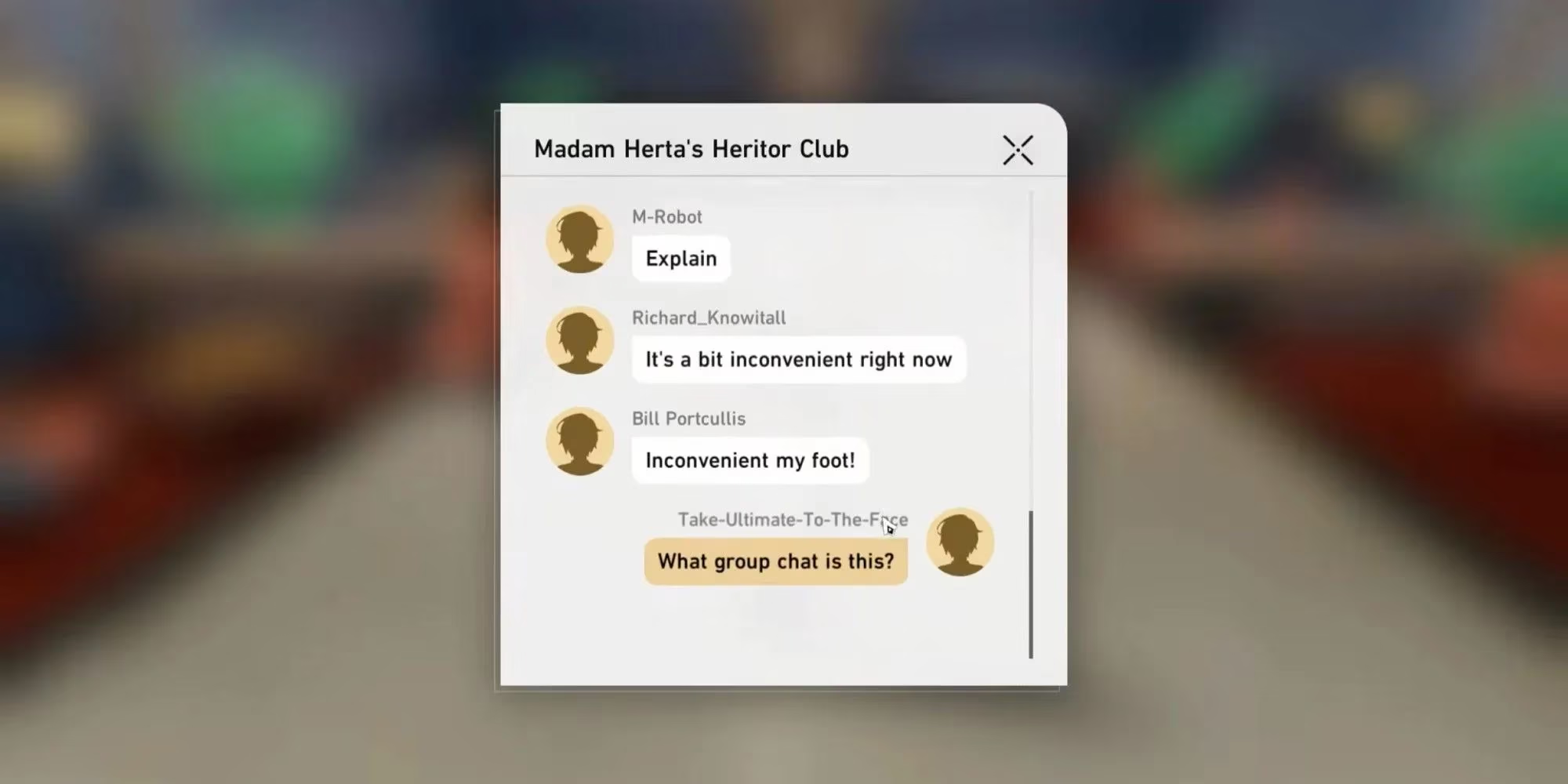
Texting and group chats are another strong source of comedy. The side quest You Already Know Me pulls the Trailblazer into an anonymous group chat filled with rumors and trolling on the Herta Space Station. The mystery is engaging, but the funniest detail is the chat's sudden silence once the culprit is exposed. It is a small, recognizable joke about online behavior, and it lands because the game treats messaging as a natural part of its futuristic setting.
| Comic beat | What happens | Why it still lands |
|---|---|---|
| Belobog wanted posters | The crew's portraits are hilariously inaccurate | It deflates a serious manhunt with petty artistic failure |
| Anonymous group chat | Rumors spread until the culprit is found | It mirrors real online behavior with sharp timing |
| Peak's napping | A miner perfects the art of doing less | It turns a grim underworld into a deadpan workplace comedy |
| Trash can obsession | The Trailblazer searches bins with enthusiasm | It roasts a classic RPG habit without breaking the world |
From Hotel Closets to Teleporting Toilets
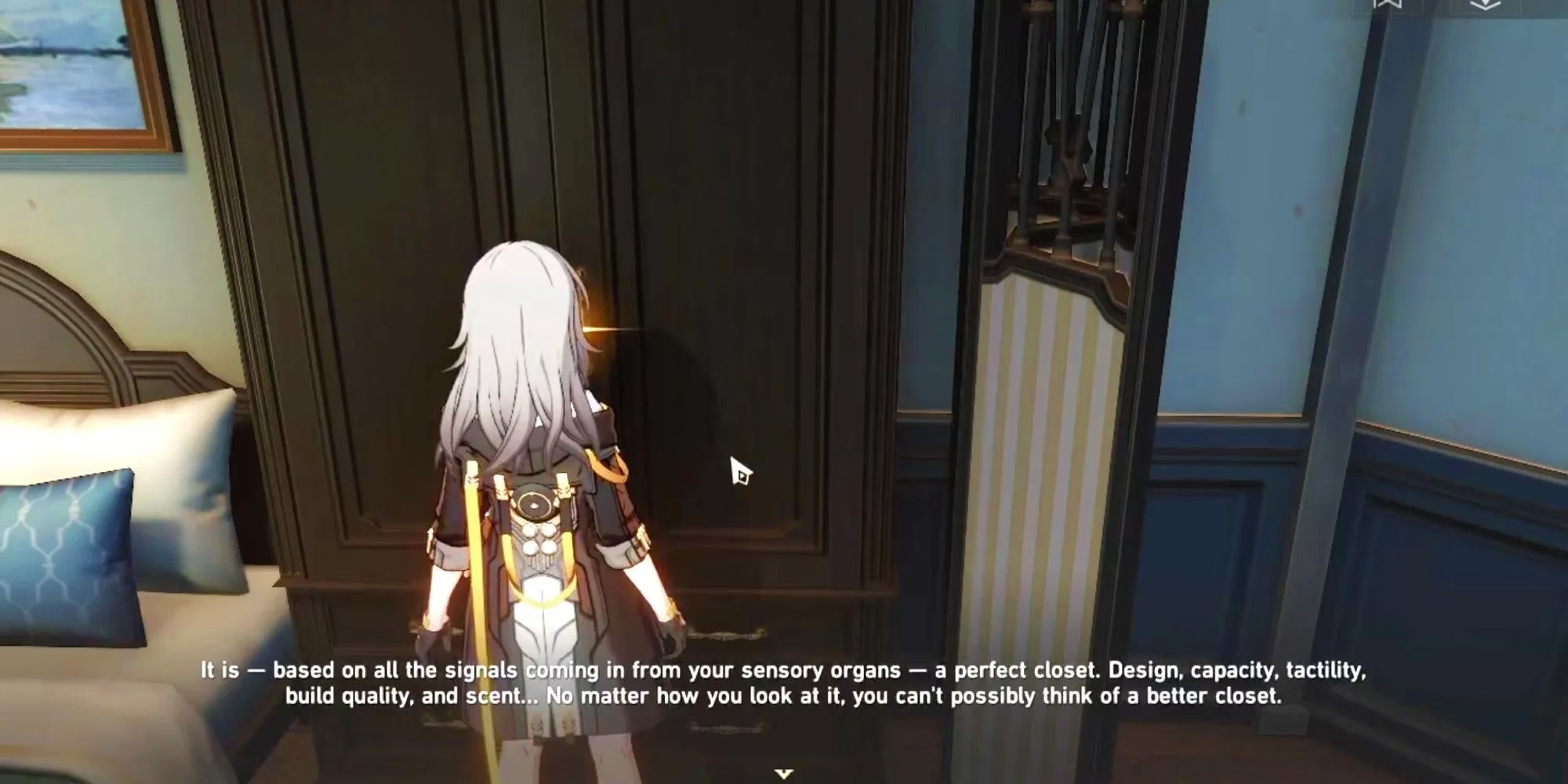
The Trailblazer's curiosity often turns ordinary spaces into comedy. Upon arriving at Jarilo-VI, the party is given hotel rooms with room service and a closet fit for royalty. The Trailblazer decides that climbing inside and enjoying the cabinet's various smells is a reasonable idea. It is gross, strange, and completely in character. The moment works because the game never explains it too much; the absurdity is allowed to sit there.
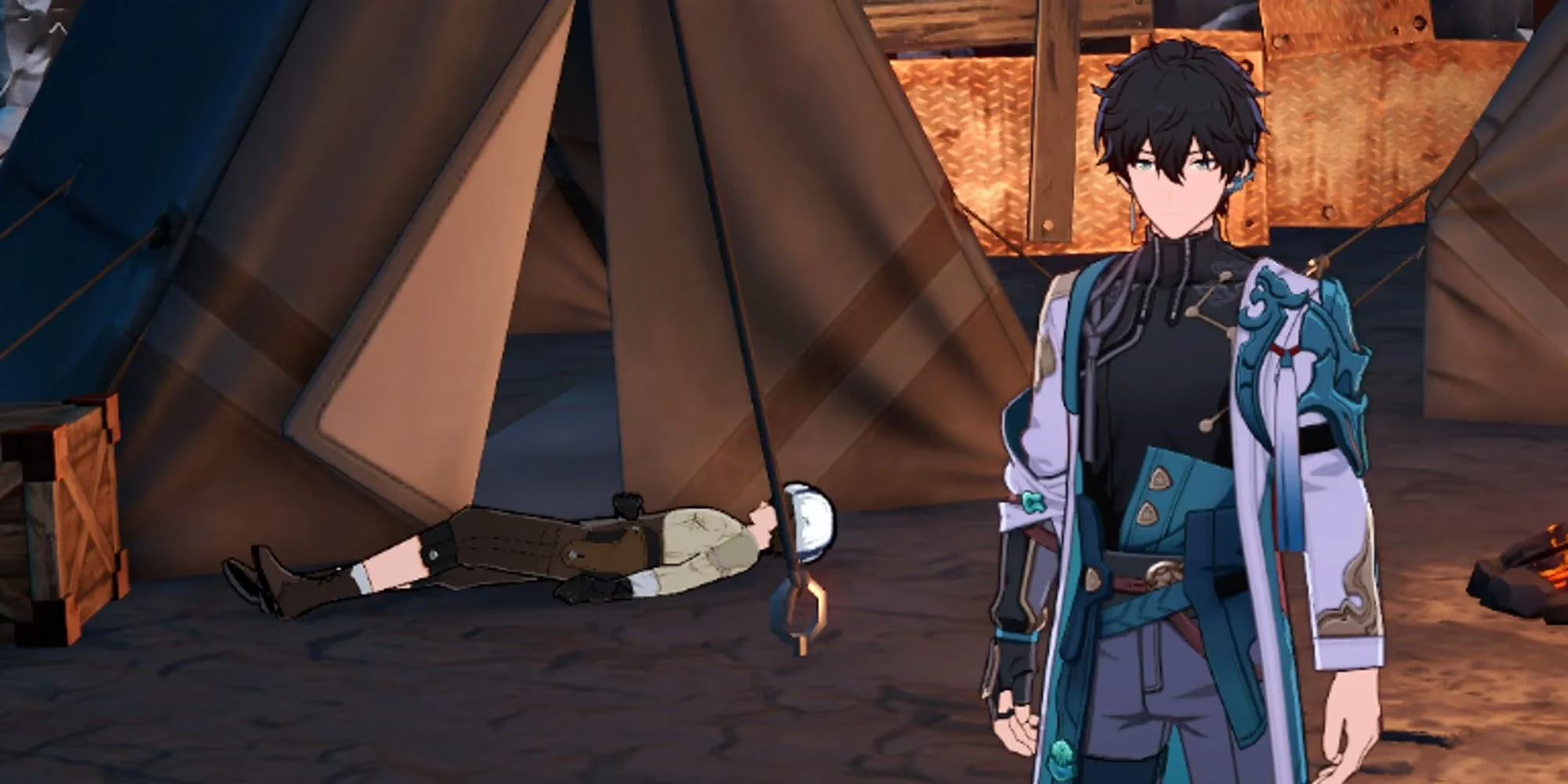
The underworld's miners provide another recurring joke through Peak, a man who has refined napping into a survival strategy. Peak is found sleeping in unlikely places, including on mine cart tracks, and his dedication to rest is treated with the reverence usually reserved for heroic effort. He is less a conventional side character than a living meme about work-life balance in a harsh environment.
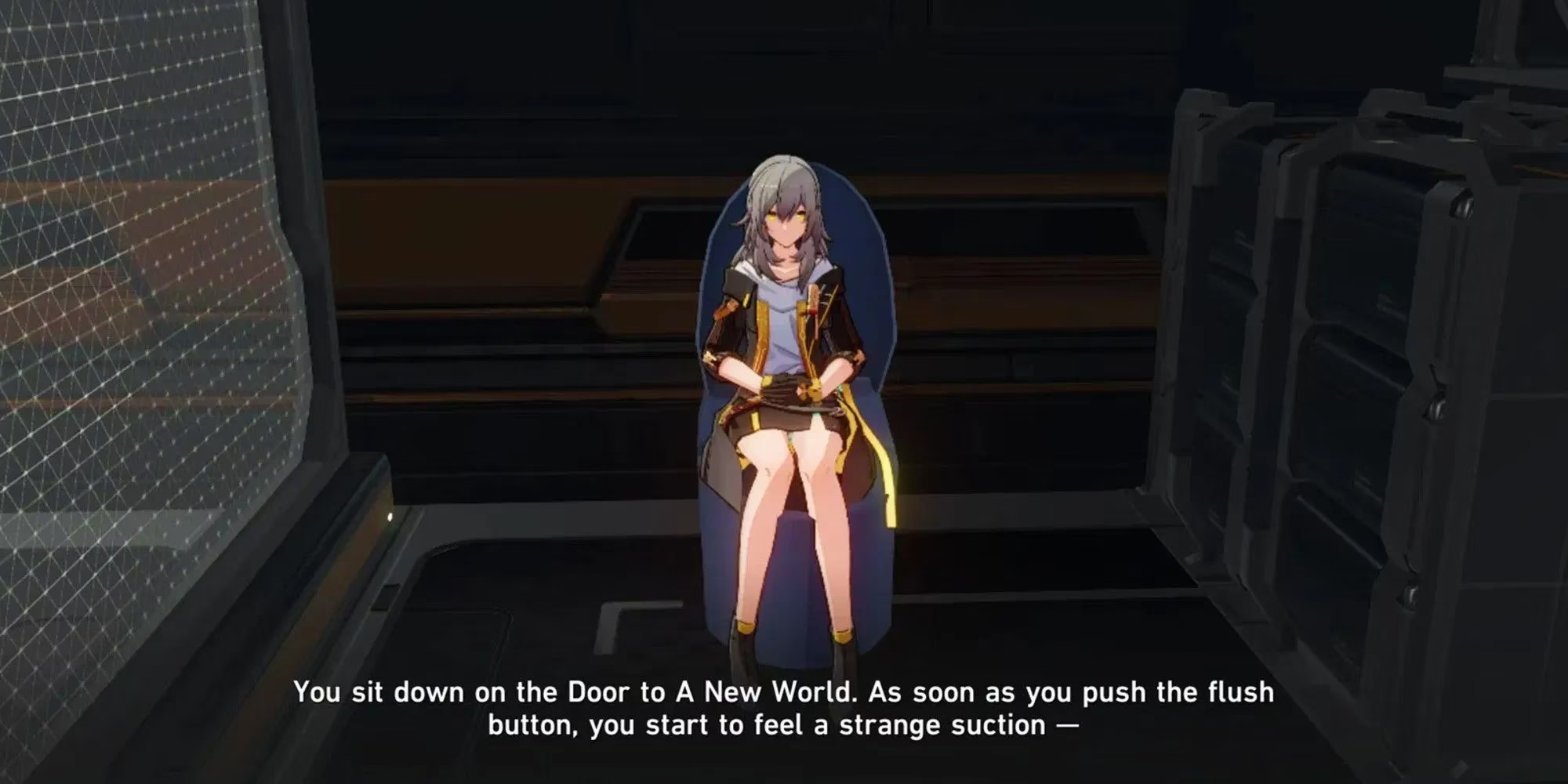
Herta Space Station adds stranger humor with its teleporting toilets. A toilet appears far from its natural habitat, and a clear warning suggests that using it would be unwise. If the Trailblazer ignores that warning, the result is a sudden appearance that terrifies a scientist with no explanation. The gag is brief, but it fits the station's atmosphere of questionable science and barely controlled chaos.
References With a Purpose
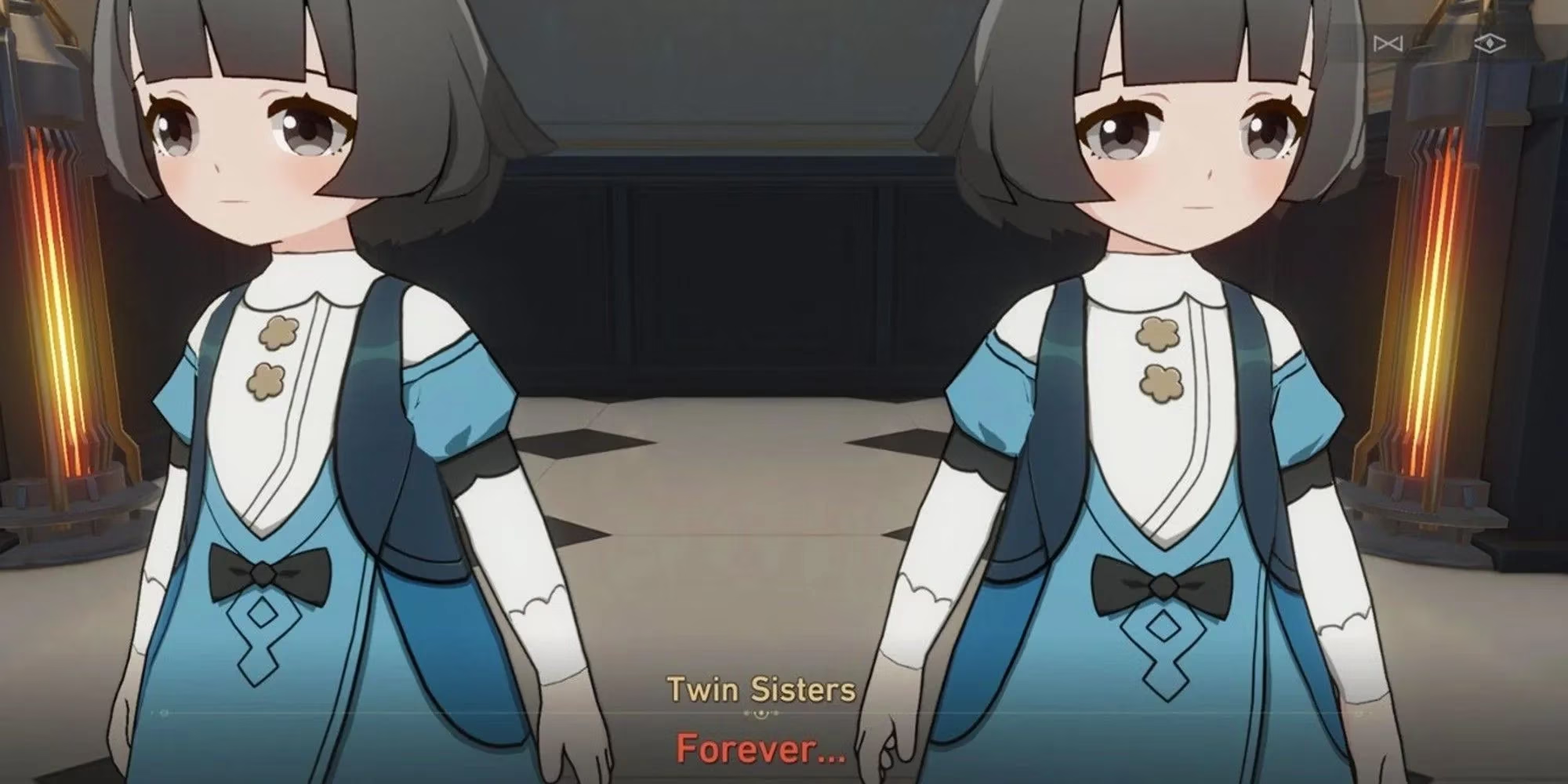
Honkai: Star Rail is packed with references, and The Shining tribute inside the Goethe Hotel is one of its most playful. Players who eavesdrop on several doors hear scenes inspired by the film, and the nosy guest eventually receives a jumpscare from the twins in a dream. The reference is not random; it rewards players for poking around and turns a hotel mystery into a horror-comedy detour.
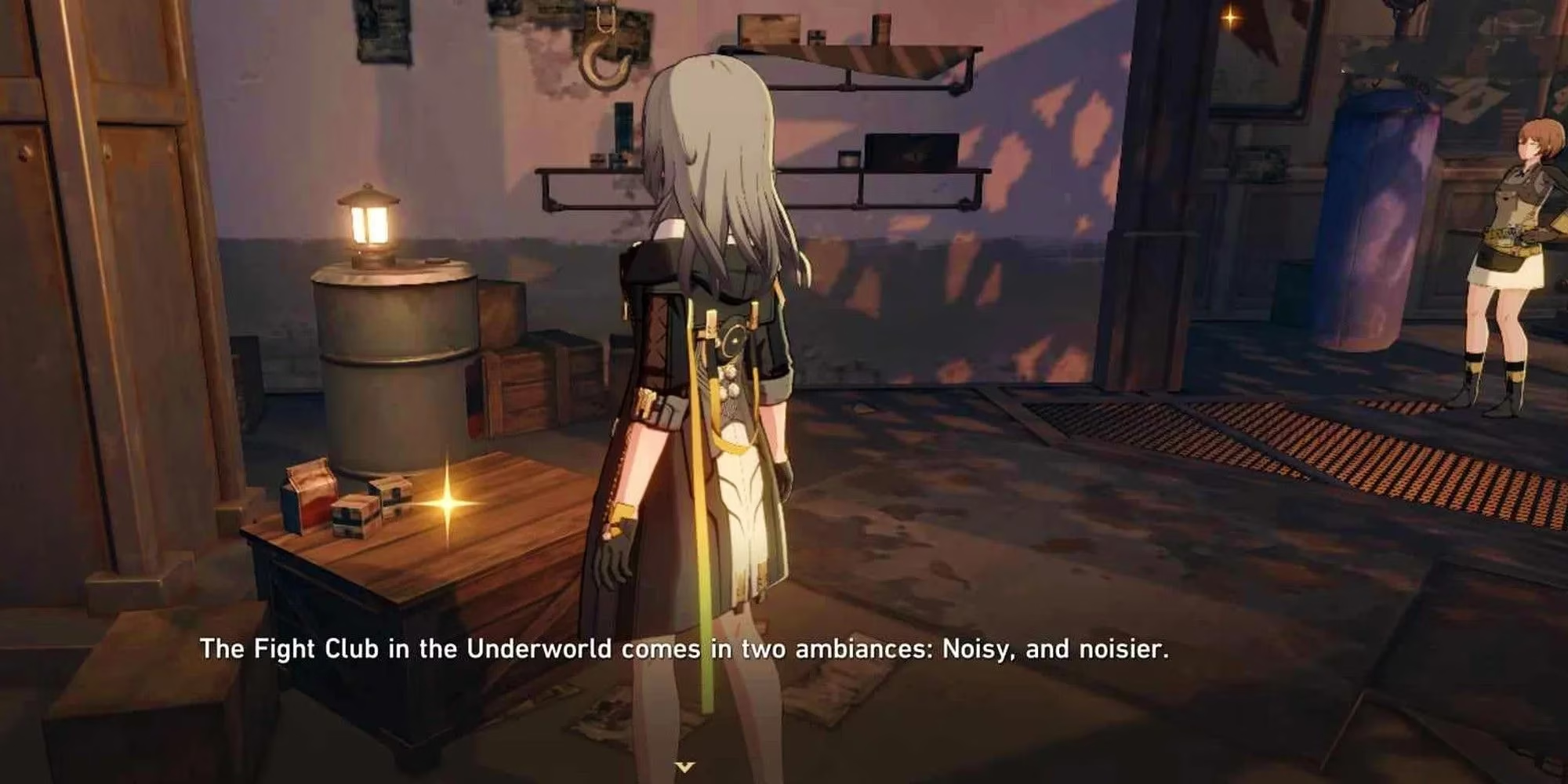
The underworld's fighting ring also delivers a Fight Club joke when the Trailblazer breaks the cardinal rule by talking about fight club out loud. It is a simple gag, but it works because the game understands how memes circulate. The joke does not need a long setup; recognition is enough.
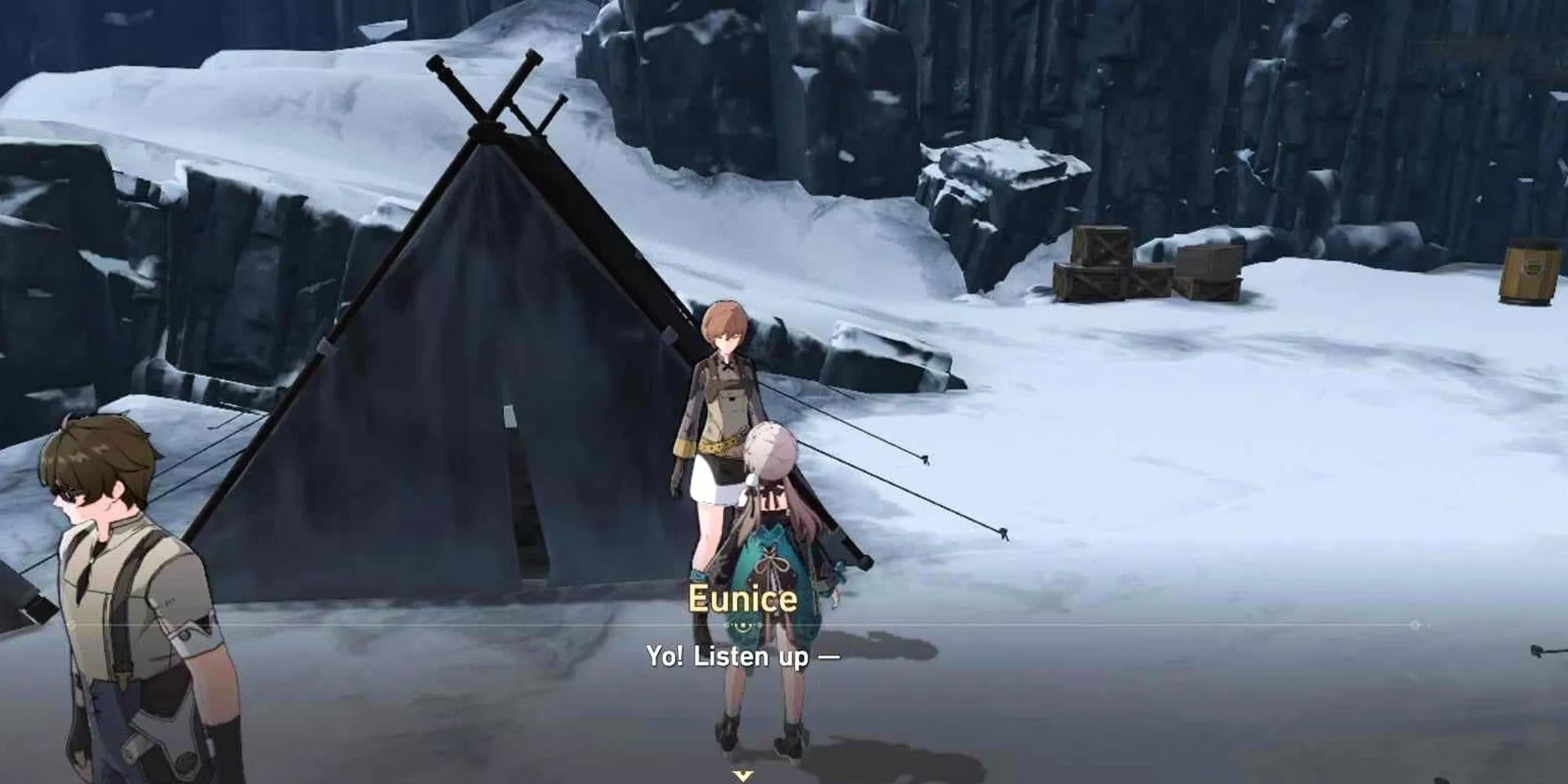
Even the freestyle rapper 88 Degrees Bedrock, better known as Eunice, becomes part of the game's comic texture. She is known across miner and robot settlements, and the Trailblazer can convince her to perform. The character could have been a one-off joke, but the writing gives her enough commitment to make the underground scene feel real. The humor comes from treating a ridiculous premise with complete sincerity.
The Inner Voice and the Trash Can Legacy
The Trailblazer's inner voice may be the game's most underrated comic device. It frequently sounds like a separate entity, judging the player's choices and reacting with exasperation. When the Trailblazer stares at a street lamp one too many times, the inner voice responds with weary judgment. The joke blurs the line between character and player, making the game feel aware of its own absurdity without becoming overbearing.
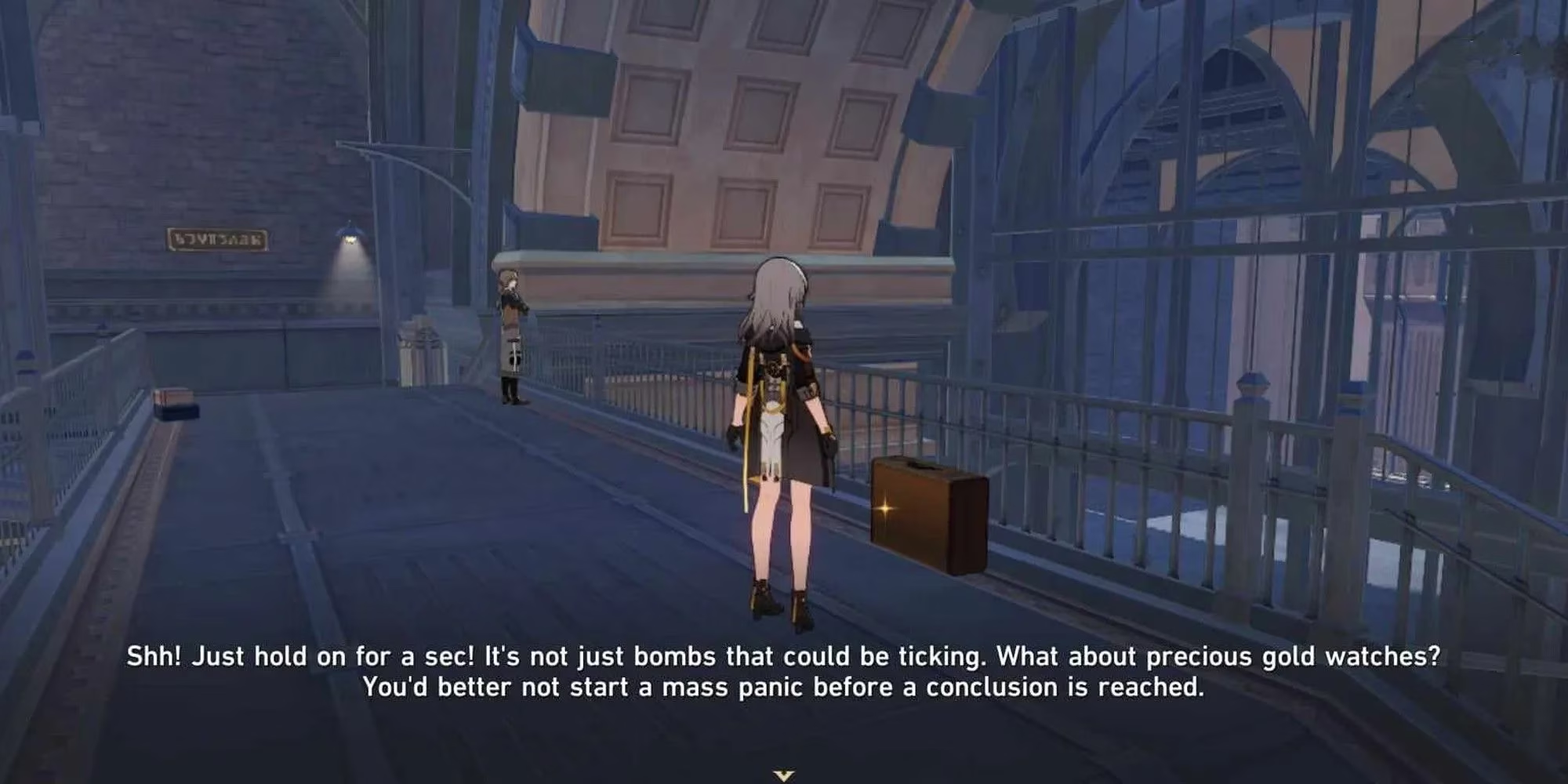
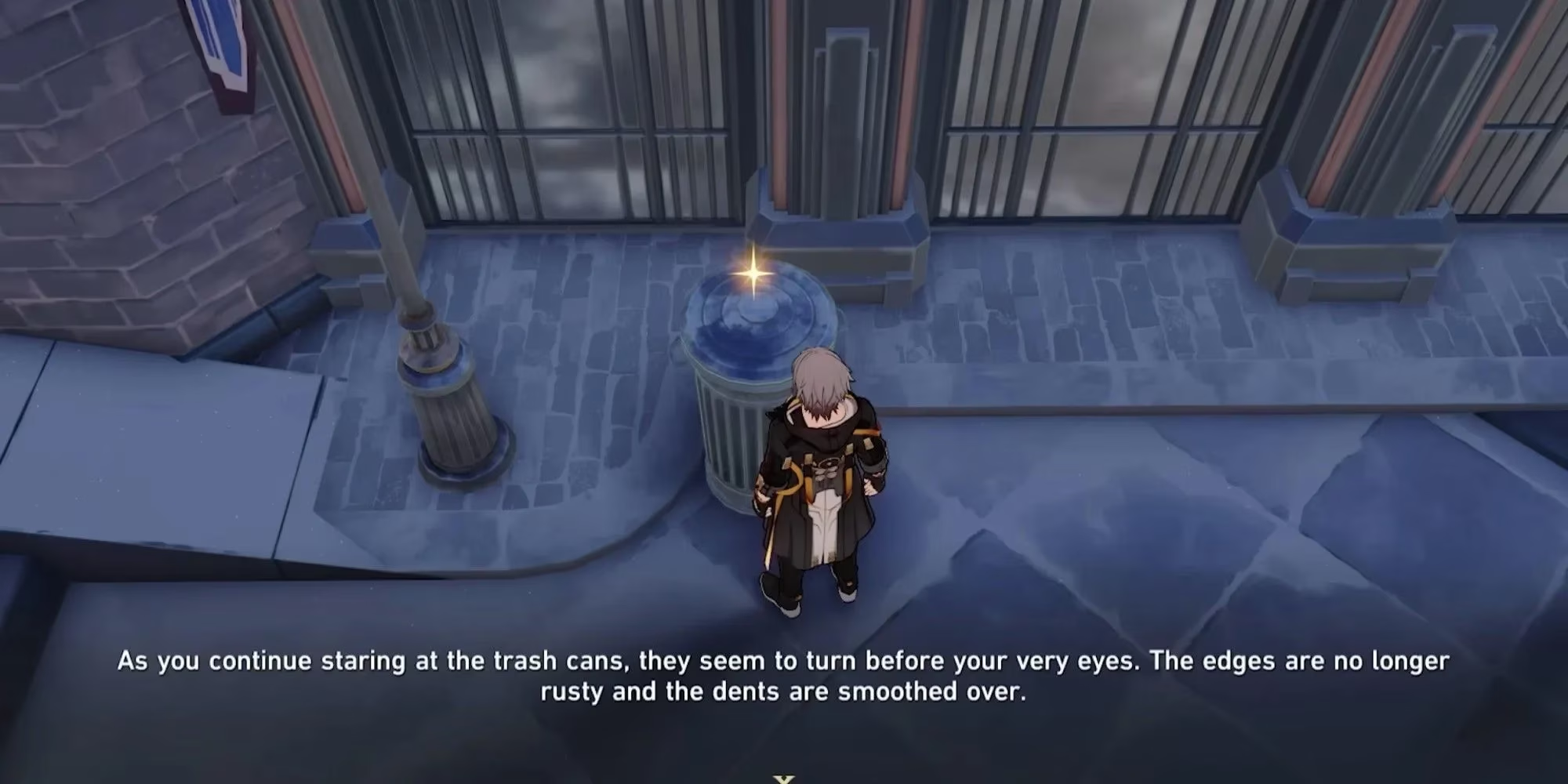
Finally, the trash cans remain the ultimate Honkai: Star Rail meme. Searching containers is a standard RPG habit, and the game knows it. Party members struggle to hide their disgust as the Trailblazer enthusiastically digs through bins. The 'Garbage King' even confronts the Trailblazer for crossing into his territory. The rivalry has not yet become a full showdown, but the possibility alone keeps the joke alive.
Why the Comedy Matters in 2026
Honkai: Star Rail's humor has lasting value because it is not separate from worldbuilding. The wanted posters reveal Belobog's bureaucratic weakness. The group chat shows how information moves on the space station. Peak's naps comment on labor in the underworld. The trash can obsession turns a common player habit into a running character trait. The jokes make the game's worlds feel lived in, and they give the Trailblazer a distinct identity beyond cosmic combat.
As the game continues through 2026, that comic foundation remains one of its strongest assets. Hoyoverse may expand the story and add new worlds, but the funniest moments still come from small systems, sharp timing, and the willingness to let the Trailblazer be deeply strange. For a gacha RPG about traveling among stars, that is a surprisingly grounded source of charm.